How Technology Aligns Business Strategy with Execution
Every organization has a strategy.
Fewer organizations successfully execute it.
The gap between strategy and execution is one of the most common reasons businesses fail to achieve their goals. Plans are made at the leadership level, but execution struggles on the operational floor.
This is where technology plays a critical role — not just as a support tool, but as a strategic alignment engine.
Common challenges organizations face:
- Strategic goals are unclear at the operational level
- KPIs are not consistently tracked
- Data is fragmented across systems
- Reporting is delayed
- Teams lack visibility into priorities
As a result, strategy remains theoretical while execution becomes reactive.
Technology bridges this gap.
- Turning Strategic Goals into Measurable KPIs
Strategy often defines high-level objectives such as:
- Improve profitability
- Increase market share
- Reduce operational cost
- Improve customer satisfaction
Technology translates these into measurable indicators through:
✔ ERP dashboards
✔ Real-time financial tracking
✔ Operational performance metrics
✔ Customer analytics
When KPIs are visible, strategy becomes actionable.
- Providing Real-Time Visibility Across Functions
Execution depends on clarity.
Integrated systems allow leaders and teams to monitor:
- Revenue and margin trends
- Inventory levels
- Production performance
- Cash flow status
- Sales pipeline progress
This shared visibility ensures every department moves in the same direction.
- Embedding Strategy into Daily Workflows
Technology aligns execution by embedding strategic priorities into workflows.
Examples:
- Automated approvals tied to budget limits
- Alerts for margin deviations
- Threshold-based escalation processes
- Data-driven performance tracking
Instead of relying on manual oversight, systems reinforce strategy automatically.
- Connecting Departments Through Integration
Strategy fails when departments operate in silos.
Integration between:
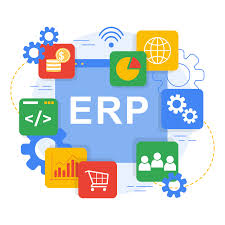
- ERP
- CRM
- Finance systems
- Supply chain tools
- Analytics platforms
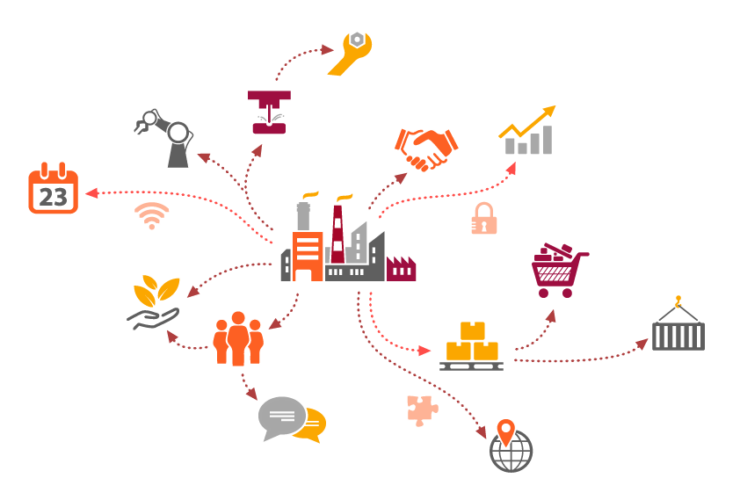
Creates a unified operational view.
When data flows seamlessly, cross-functional alignment improves dramatically.
- Accelerating Decision-Making
Strategic alignment requires timely decisions.
With:
✔ Automated reporting
✔ Exception-based alerts
✔ Predictive insights
Leaders can identify risks and opportunities quickly — and adjust execution accordingly.
Speed strengthens strategic momentum.
- Supporting Continuous Improvement
Strategy is not static.
Technology enables:
- Performance comparisons
- Scenario planning
- Trend analysis
- Process optimization
Organizations can refine strategy based on real-world execution data.
This creates a continuous loop:
Strategy → Execution → Measurement → Adjustment → Growth
Technology as a Strategic Enabler
Technology does not replace leadership.
It ensures leadership intent is consistently reflected in operations.
When systems are aligned with strategy:
✔ Teams understand priorities
✔ Performance is transparent
✔ Accountability improves
✔ Execution becomes consistent
How Hilniva Enables Strategy-Driven Execution
At Hilniva, we help organizations align strategy with execution through:
- ERP optimization and integration
- Real-time dashboards and performance tracking
- Workflow automation
- Data-driven decision frameworks
Our solutions ensure technology acts as a bridge between leadership vision and operational reality.
Final Thought
Strategy defines direction.
Execution drives results.
Technology connects the two.
Organizations that leverage technology effectively don’t just plan for growth —
they execute it with precision and confidence.
Connect with us to explore more.
#BusinessStrategy #DigitalTransformation #ERP #Automation #Leadership #BusinessExecution #DataDrivenDecisions #Hilniva #OperationalExcellence #Technology