The Gap Between Data Availability and Data Usage
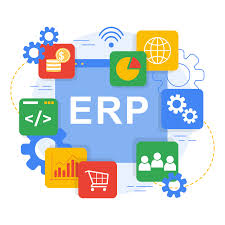
Organizations today generate more data than ever before. ERP systems, CRM platforms, finance tools, manufacturing systems, and digital applications continuously produce information. Yet despite this abundance, many leaders still ask the same question:
“Why do we have so much data, but so little clarity?”
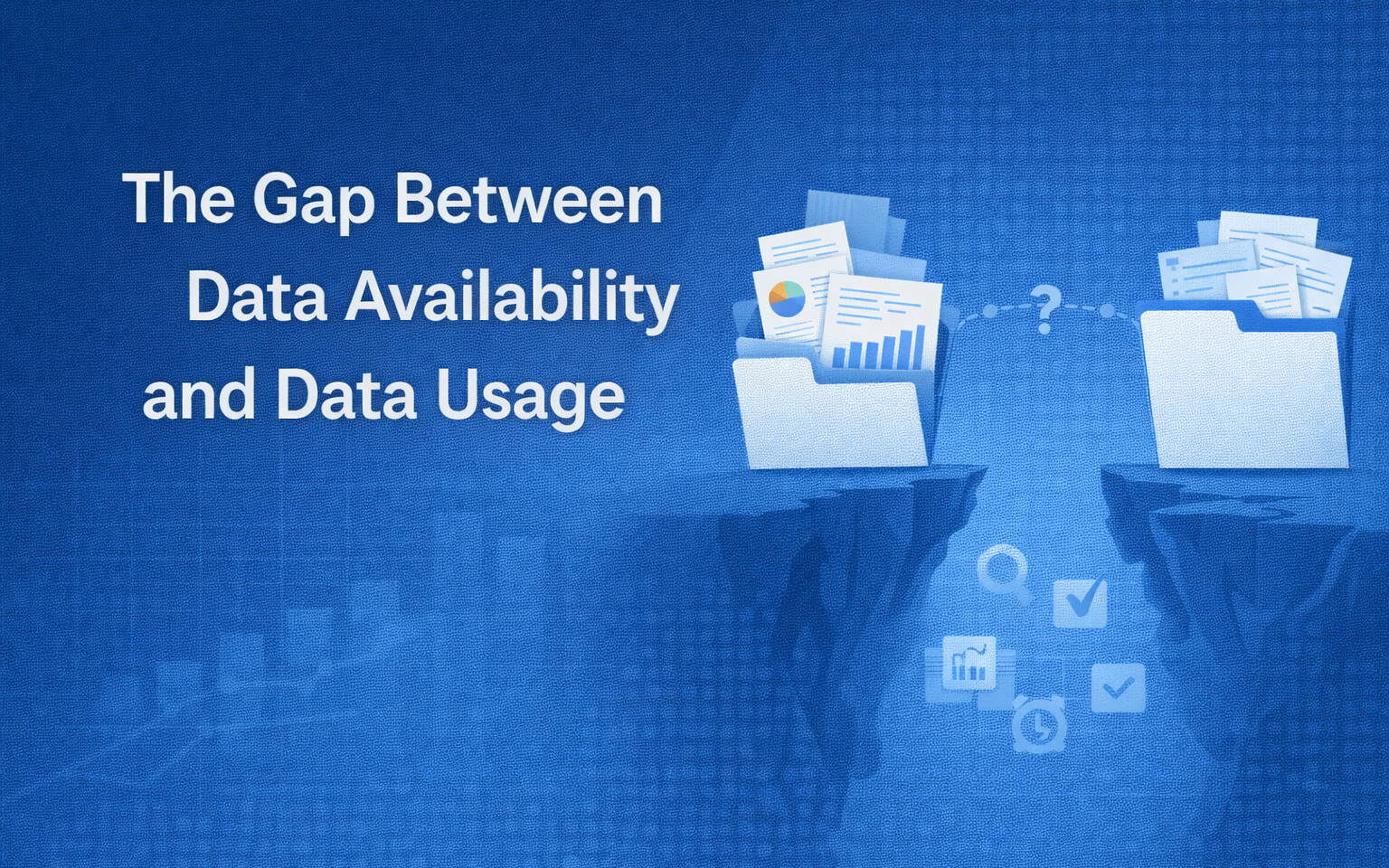
The problem isn’t data availability — it’s the gap between having data and actually using it.
Understanding the Data Gap
Most organizations today:
- Collect massive volumes of data
- Store it across multiple systems
- Generate regular reports
But very little of this data is actively used for daily or strategic decision-making.
As a result:
- Decisions rely on assumptions
- Reports are reviewed but not acted upon
- Insights arrive too late to create impact
This gap silently limits business performance.
Why Data Often Goes Unused
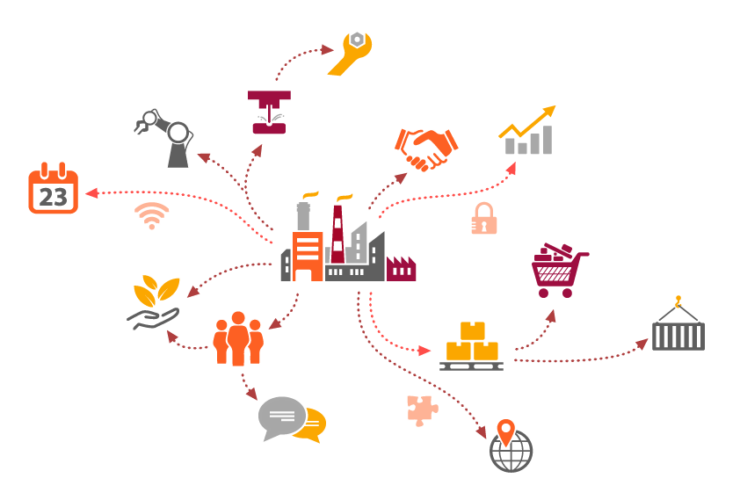
- Data Is Scattered Across Systems
When data lives in ERP, spreadsheets, emails, and multiple tools, teams struggle to connect the full picture.
Without integration, insights remain fragmented.
- Reports Are Too Complex
Many reports focus on numbers rather than meaning.
Decision-makers don’t need more data — they need clear insights.
When reports lack context, they are ignored.
- Delayed Reporting Cycles
Monthly or weekly reports describe the past, not the present.
By the time insights reach leadership, the opportunity to act has already passed.
- Lack of Ownership
When it’s unclear who should act on data, insights stall.
Data without accountability rarely drives change.
- Limited Data Literacy
Not every user knows how to interpret dashboards or analytics.
If people don’t understand data, they won’t trust or use it.
How Organizations Can Close the Gap
- Create a Single Source of Truth
Integrate ERP, finance, sales, and operations data so everyone works from the same numbers.
Trust is the foundation of data usage.
- Shift from Reporting to Insights
Dashboards should answer questions like:
- What changed?
- Why did it change?
- What action is required?
Insight-driven views drive engagement.
- Move Toward Real-Time Visibility
Real-time dashboards turn data into a daily decision tool — not a retrospective document.
Speed increases relevance.
- Embed Data into Workflows
Data should guide action automatically:
- Alerts for anomalies
- Notifications for threshold breaches
- Insights delivered within daily tools
When data becomes part of the workflow, usage increases naturally.
- Build a Data-Driven Culture
Technology alone is not enough.
Organizations must:
✔ Encourage data-backed decisions
✔ Train teams on interpretation
✔ Align KPIs with business outcomes
Culture determines whether data is used or ignored.
From Data-Rich to Insight-Driven
Being data-rich does not make an organization intelligent.
Organizations become intelligent when:
- Data is visible
- Insights are clear
- Actions are timely
- Decisions are confident
Closing the gap between data availability and data usage is one of the most powerful ways to improve performance, agility, and growth.
How Hilniva Helps Bridge the Data Gap
At Hilniva, we help organizations transform raw data into actionable insights through:
- ERP and system integration
- Real-time dashboards
- Automation-driven insights
- Business intelligence solutions
We ensure data doesn’t just exist — it drives decisions.
Final Thought
The value of data is not in collecting it —
it’s in using it at the right moment to make the right decision.
Connect with us to explore more
Hashtags
#DataDriven #BusinessIntelligence #Analytics #DigitalTransformation #ERP #DecisionMaking #DataVisibility #Hilniva #Automation #Leadership